Best Toilets: The Complete Buyer’s Guide
Picking the best toilets for your home comes down to more than a star rating. A toilet that clogs, runs constantly, or sits at the wrong height turns a simple fixture into a daily annoyance — and a bad choice during a bathroom remodel is expensive to undo once tile and plumbing are set. This guide breaks down what actually separates a strong toilet from a disappointing one: flush performance testing, EPA water-efficiency standards, ADA comfort-height guidelines, and the practical trade-offs between toilet types.
If you’re mid-way through a larger project, pair this guide with a full bathroom remodeling guide that covers layout, fixtures, and budgeting for the whole space, not just the toilet.
What Makes a Toilet the “Best” Choice?
| Quick AnswerThe best toilets combine three measurable things: strong flush performance (verified by independent MaP testing), efficient water use (1.28 gallons per flush or less under the EPA’s WaterSense program), and a bowl height and shape that fit the people using it. Smart features and price matter, but performance data — not brand reputation alone — should drive the decision. |
Every major toilet brand now sells a version at nearly every price point, which makes brand name a poor filter on its own. The more reliable filters are the ones plumbing labs and government efficiency programs actually measure: how much waste a single flush removes, how much water it uses to do that, and whether its dimensions match your bathroom and the people who’ll use it daily.
Toilet Types at a Glance
Quick Toilet Comparison Guide
Not sure which toilet type is right for your home? Use this quick comparison chart to match your budget, bathroom size, and household needs.
| Feature | Best Choice | Why It’s Recommended |
|---|---|---|
| 💰 Best Budget | Two-Piece Toilet | Affordable, widely available, and inexpensive to repair. |
| 🧼 Easiest to Clean | One-Piece Toilet | Fewer seams mean less dirt and easier maintenance. |
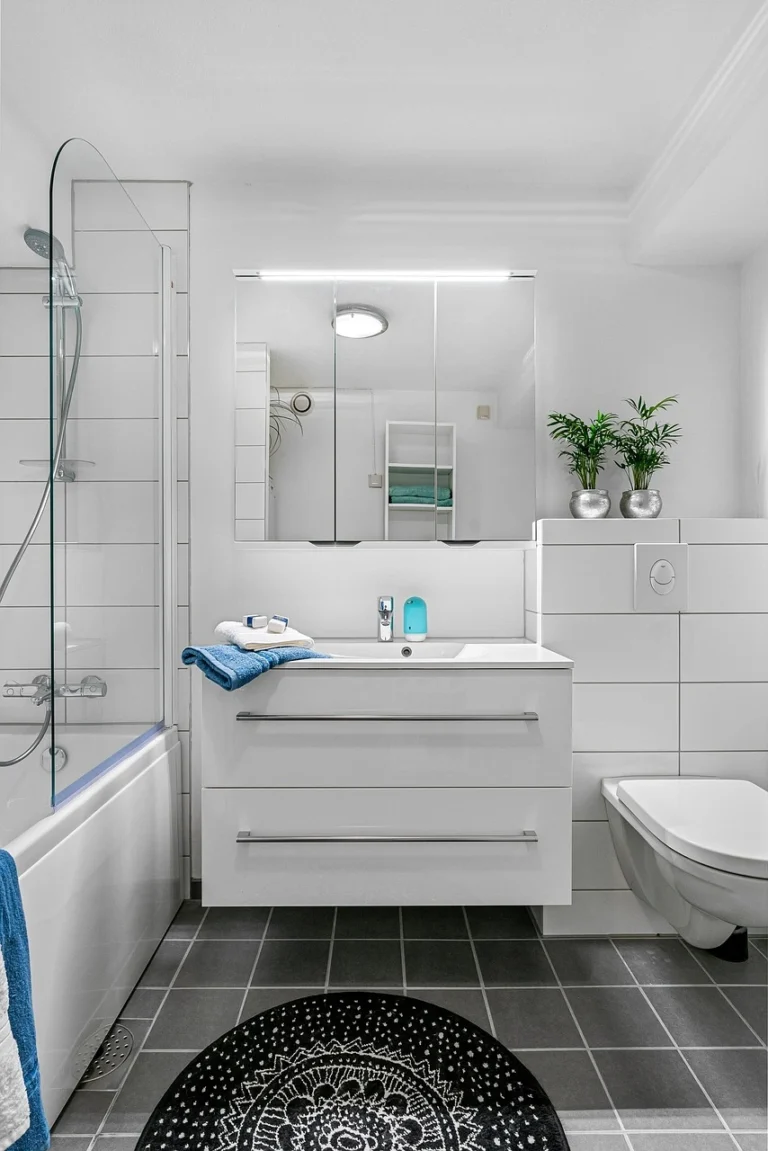
| 🏡 Small Bathrooms | Wall-Hung Toilet | Saves floor space and creates a more open appearance. |
| 👴 Seniors & Accessibility | Comfort-Height Toilet | 17–19 inch seat height makes sitting and standing easier. |
| 🚽 Flush Performance | High MaP Score (500g+) | Better resistance to clogging and stronger single-flush performance. |
| 💧 Water Efficiency | WaterSense Certified (1.28 GPF) | Uses less water while maintaining strong flushing performance. |
| ✨ Luxury Features | Smart/Bidet Toilet | Includes heated seat, bidet, warm air dryer, night light, and automatic flushing. |
| 👨👩👧👦 Best for Families | Comfort-Height Two-Piece Toilet | Excellent balance of comfort, durability, and long-term maintenance. |
Here’s a quick comparison of the main toilet categories homeowners choose between during a remodel. Prices are approximate national ranges for the fixture only and vary by brand, retailer, and region.
| Toilet Type | Typical Price Range* | Water Use | Best For |
|---|---|---|---|
| Two-piece standard | $100 – $350 | 1.28 – 1.6 GPF | Budget remodels, easy repairs |
| One-piece | $300 – $900 | 1.0 – 1.28 GPF (dual-flush common) | Easier cleaning, streamlined look |
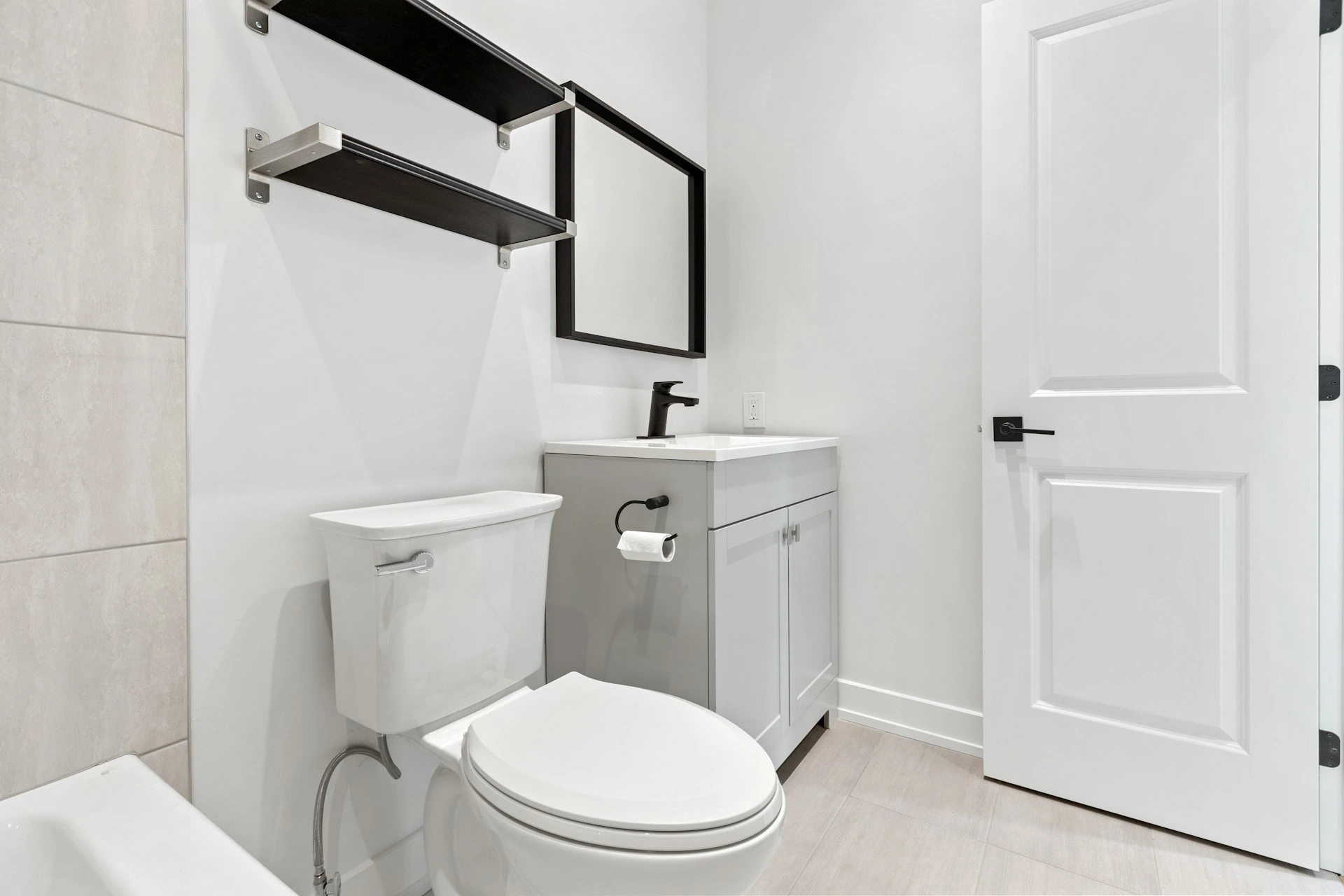
| Comfort/chair height | $150 – $600 | 1.28 – 1.6 GPF | Taller adults, older adults, easier sit-to-stand |
| Wall-hung | $500 – $1,500+ (incl. carrier) | 0.8 – 1.28 GPF (dual-flush) | Small bathrooms, modern design, easier floor cleaning |
| Smart / bidet toilet | $700 – $3,000+ | Varies, often 1.0 – 1.28 GPF | Hygiene upgrades, accessibility, high-end remodels |
*Fixture cost only; installation, carriers for wall-hung units, and any plumbing rework are additional.
How to Choose the Best Toilet for Your Bathroom
Flush Performance: What a MaP Score Actually Measures
| Quick AnswerMaP (Maximum Performance) testing is an independent lab test that measures how many grams of solid waste a toilet removes in a single flush, using soybean paste and toilet paper to simulate real use. A score of roughly 500 grams or higher is considered strong performance; MaP PREMIUM toilets clear at least 600 grams while using 1.1 gallons per flush or less. |
MaP testing began in the early 2000s after the first generation of low-flow toilets developed a reputation for clogging and double-flushing. The test is voluntary, manufacturer-submitted, and independently run — toilets are flushed with increasing amounts of test media until they fail to clear it in one attempt, and the last successful weight becomes the score. Checking a model’s MaP score before buying is the single most reliable way to avoid a chronic clogger, and it matters more for households with kids, guests, or heavy daily use.
Water Efficiency: What “WaterSense” Actually Means
| Quick AnswerWaterSense is an EPA-backed certification for toilets that use 1.28 gallons per flush (GPF) or less — 20% below the federal standard of 1.6 GPF — while still passing independent performance testing. It exists specifically to separate genuinely efficient toilets from the underperforming low-flow models of the 1990s. |
According to the EPA, toilets account for roughly a quarter of an average home’s indoor water use, and replacing an old, inefficient toilet with a WaterSense-labeled model can cut household toilet water use by 20 to 60 percent — around 13,000 gallons and $170 per year for a typical family. Dual-flush WaterSense models add a reduced-volume option for liquid waste, saving further water without sacrificing solid-waste performance. Because WaterSense certification requires passing the same type of flush-performance testing behind MaP scores, a WaterSense label and a strong MaP score usually go hand in hand — they aren’t a trade-off against each other.
Bowl Height: Standard vs. Comfort Height vs. ADA
| Quick AnswerStandard toilets sit about 15–16 inches from floor to seat. Comfort-height (also called “chair height”) toilets and ADA-compliant toilets sit 17–19 inches high, matching the height of a standard chair and making sitting and standing easier — especially for taller adults, older adults, and anyone with knee or hip issues. |
The Americans with Disabilities Act sets 17–19 inches (measured to the top of the seat) as the accessible range for public and commercial restrooms. Many homeowners now choose the same range for master bathrooms even without an accessibility requirement, simply because it’s more comfortable for adults. Households with young children sometimes prefer standard height instead, since a taller bowl can make independent use harder for a small child.
Bowl Shape: Round vs. Elongated
Elongated bowls (roughly 18.5 inches from bolts to front rim) are generally considered more comfortable for adults and are now the default in most mid-range and premium toilets. Round bowls (about 16.5 inches) take up a few less inches of floor space, which can matter in a small powder room where every inch counts.
One-Piece vs. Two-Piece Toilets
One-piece toilets:
- Tank and bowl are fused into a single unit — fewer seams for grime and mold to collect
- Generally easier to clean and slightly easier to install
- Usually cost more than a comparable two-piece model
Two-piece toilets:
- Tank and bowl ship and install separately
- Widest selection of styles and price points, including most budget options
- Individual parts (tank, flush valve, flapper) are simpler and cheaper to repair or replace
Smart Toilets and Bidet Seats: Worth the Investment?
Smart toilets and bidet-seat attachments add features like heated seats, warm-water washing, air drying, deodorizing fans, night lights, and touchless or remote-controlled flushing. They tend to appeal most to households prioritizing hygiene, accessibility, or a higher-end remodel budget. A standalone bidet seat retrofitted onto an existing toilet is a lower-cost way to get most of the hygiene benefit without replacing the whole fixture.
Well-Known Flush Technologies Worth Understanding
Several manufacturers have built name recognition around specific flushing engineering, which is useful vocabulary when comparing spec sheets rather than marketing copy alone. TOTO’s Tornado Flush uses two nozzles to create a centrifugal rinsing action around the bowl. Kohler’s Class Five and Revolution 360 systems focus on a wider flush valve and fuller rim coverage to reduce clogging. American Standard’s VorMax system pressurizes water directly at the rim to push waste through a wider trapway. These are engineering approaches, not guarantees — always check the specific model’s independent MaP score rather than assuming the technology name alone settles performance.
How Much Do Toilets Cost? Budgeting for a Remodel
| Quick AnswerBasic two-piece toilets typically run $100–$350, one-piece and dual-flush models $300–$900, and smart or bidet toilets $700–$3,000 or more. Add roughly $150–$500 for professional installation, more if plumbing, flooring, or venting needs to be reworked. |
These are fixture-and-install approximations, not fixed quotes — actual cost depends on brand, region, and whether the existing rough-in and shutoff valve are reusable as-is.
If you’re bundling a toilet swap into a larger project, professional bathroom remodeling team can give you an accurate, space-specific quote rather than a generic online estimate.
Toilet Installation and Remodeling Considerations
Measure Your Rough-In First
The rough-in is the distance from the finished wall behind the toilet to the center of the drain or floor bolts — almost always 12 inches, but 10-inch and 14-inch rough-ins exist in older homes. Buying the wrong rough-in size is the most common (and most avoidable) toilet-buying mistake.
DIY vs. Licensed Plumber
Swapping a like-for-like toilet on an existing flange is a manageable DIY project for many homeowners. Hire a licensed plumber if you’re moving the drain location, repairing a damaged flange, installing a wall-hung toilet and carrier system, or wiring a smart toilet — mistakes at this stage can cause leaks that damage subflooring and are far more expensive to fix than the toilet itself.
For larger-scope work, the Home Renova Hub bathroom renovation checklist walks through sequencing toilet replacement alongside flooring, vanity, and plumbing updates so nothing gets installed out of order.
Common Toilet-Buying Mistakes to Avoid
- Skipping the rough-in measurement and ordering a toilet that doesn’t fit
- Choosing on price or looks alone without checking a MaP score
- Assuming all WaterSense toilets perform identically — check the specific model, not just the label
- Installing a wall-hung toilet without confirming the wall can support the required carrier system
- Ignoring seat height for a household with older adults or tall family members
- Forgetting to budget for a new wax ring, supply line, and bolts during replacement
Toilet Maintenance Tips That Extend Lifespan
- Check for silent leaks by adding food coloring to the tank and watching for color in the bowl after 10 minutes
- Avoid “flushable” wipes even when labeled as such — they’re a leading cause of downstream clogs
- Replace a worn flapper as soon as a toilet starts running intermittently, before it wastes significant water
- Clean the jets and rim regularly to preserve flush performance over time
- Have a professional inspect the wax ring if you notice rocking, odor, or moisture at the base
Frequently Asked Questions
What is the best toilet for a small bathroom?
Wall-hung toilets and elongated one-piece models with a compact footprint work best in small bathrooms, since wall-hung units free up floor space and simplify cleaning underneath.
What GPF should I look for in a new toilet?
Look for 1.28 gallons per flush or less to qualify for WaterSense certification, which is 20% below the 1.6 GPF federal standard while still meeting independent performance requirements.
Is a higher MaP score always better?
Generally yes — a MaP score of 500 grams or more indicates strong flush performance, and MaP PREMIUM toilets (600g+ at 1.1 GPF or less) represent some of the best-tested combinations of efficiency and power.
What is a comfort-height toilet?
A comfort-height (or chair-height) toilet has a seat 17–19 inches off the floor, matching standard chair height and making sitting and standing easier than a standard 15–16 inch toilet.
Do I need an ADA toilet in my home?
ADA requirements legally apply to public and commercial restrooms, not private homes, but many homeowners choose the same 17–19 inch height range voluntarily for comfort and future accessibility.
How do I measure a toilet’s rough-in?
Measure from the finished wall behind the toilet to the center of the floor bolts or drain. Most U.S. homes use a 12-inch rough-in, but always confirm before ordering.
One-piece or two-piece: which should I choose?
One-piece toilets are easier to clean and have a more streamlined look but cost more; two-piece toilets offer more style and price options and are typically cheaper to repair.
Are smart toilets worth the cost?
Smart toilets add real value for households prioritizing hygiene or accessibility, but a standalone bidet-seat attachment delivers much of the benefit at a fraction of the cost.
Why does my low-flow toilet keep clogging?
Older low-flow toilets from the 1990s often had weak flush engineering. Modern WaterSense toilets are independently tested for flush performance, so clogging is far less common in current, well-reviewed models.
How much does it cost to replace a toilet?
Expect roughly $100–$900 for the fixture depending on type, plus $150–$500 for professional installation — more if plumbing or flooring needs rework.
Can I install a new toilet myself?
A like-for-like swap on an existing flange is a reasonable DIY project for many homeowners. Moving drain locations, repairing flanges, or installing wall-hung units is best left to a licensed plumber.
What’s the difference between round and elongated bowls?
Elongated bowls are longer front-to-back and generally more comfortable for adults; round bowls save a few inches of space, which can help in small powder rooms.
How long do toilets typically last?
A well-maintained toilet can last a decade or more with minimal issues, though internal parts like flappers and fill valves may need replacement sooner.
What should I check before buying online?
Confirm the rough-in size, bowl shape, seat height, GPF/WaterSense status, and MaP score before purchasing, since returns on plumbing fixtures can be costly or restricted.
Final Thoughts
The best toilets aren’t the ones with the flashiest marketing — they’re the ones matched to your bathroom’s rough-in, your household’s height and mobility needs, and a verified flush-performance record. Start with WaterSense status and a MaP score, then narrow down by height, shape, and mounting style.
If a new toilet is part of a bigger bathroom project, Home Renova Hub can help you plan the fixtures, layout, and timeline together rather than tackling them piecemeal.