How Interior Design Can Transform the Look and Feel of Your Home
Key Takeaways
- Improve your layout: Arrange furniture to create comfortable walkways and make better use of available space.
- Coordinate colours and lighting: Test paint samples under different lighting conditions before choosing your final colours.
- Balance style and function: Select furniture, textures and decorations that complement each other without overcrowding the room.
- Plan storage around daily needs: Choose practical storage solutions that keep frequently used items accessible and reduce clutter.
- Choose durable finishes: Consider cleaning requirements, maintenance and suitability for each room before buying materials.
- Prioritise your budget: Address the problems that affect everyday comfort first, then invest in decorative updates as needed.
When you’re unhappy with a room, deciding what to change can be harder than choosing what to buy. The sofa might seem wrong, although it’s the furniture arrangement that makes the space feel cramped. A paint color you liked in the store might disappoint because the lighting at home is different.
Interior design helps you understand these relationships before spending money. Layout affects how you move around; lighting changes how finishes appear. The most satisfying improvements usually address a specific frustration while giving the room a more considered appearance. The same approach applies to home renovation in Mumbai, whether you’re refreshing one room or planning changes throughout the house.
Start by identifying what you want to keep and what makes daily life awkward. That gives your ideas something useful to work toward.
Make the Layout Work for the People Using It
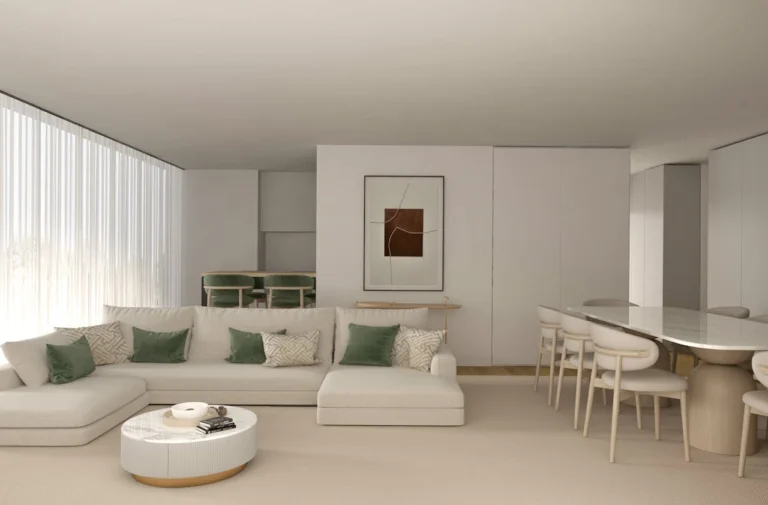
Imagine a living room where a large sectional leaves a narrow passage to the kitchen. A visitor can squeeze through, but carrying a laundry basket means brushing against the sofa. The room may have enough floor space overall; too much of it is occupied in the wrong place.
Moving the sectional, changing its configuration, or replacing it with a smaller sofa could improve that passage. Each option has a different cost, so test the arrangement before shopping.
Draw a basic plan showing doors, windows, and furniture dimensions. Mark proposed furniture positions with painter’s tape after testing it on an inconspicuous patch of flooring. Then use the space normally. Pull out a dining chair and check whether someone can pass behind it. Open drawers fully.
Comfort also depends on who’s using the room. A low chair may suit one person and be difficult for another to get out of. If you regularly use a mobility aid, test the arrangement with it. An attractive floor plan needs to accommodate the household’s actual movements.
Choose Paint and Lighting Together
Paint can change the character of a room, but its appearance depends on the light and surrounding finishes. A white that looks neutral on a sample card may look noticeably different beside warm wood flooring or cool gray cabinets. When considering bathroom renovation services, review lighting and finishes together so the space looks good and works comfortably each day.
Begin with the materials that will stay. Hold samples beside the floor, sofa, and cabinetry. Narrow the choices, then paint large sample boards and move them between walls. Look at them during the day and under the bulbs you use after sunset. Follow the paint manufacturer’s application instructions so you’re judging the finished result.
Check the lighting before rejecting a color. A dark reading corner might need a lamp positioned beside the chair. Making the ceiling light brighter could leave the book in shadow while adding glare elsewhere.
The Federal Trade Commission’s guide to light bulbs explains that lumens measure brightness, while watts describe energy use. The Lighting Facts label also shows whether the light appears warmer or cooler.
Try a bulb in the room before buying a full set. Look at your fabrics under it and check for reflections in the television. If you want adjustable lighting, confirm that the bulb and dimmer are compatible. Small lighting decisions can affect whether the space feels comfortable in the evening.
Give Furniture and Decoration Enough Space
A room can look unsettled when its pieces don’t relate well in size. Small artwork over a broad sofa may seem lost. A rug floating between the seats can make the seating area feel disconnected.
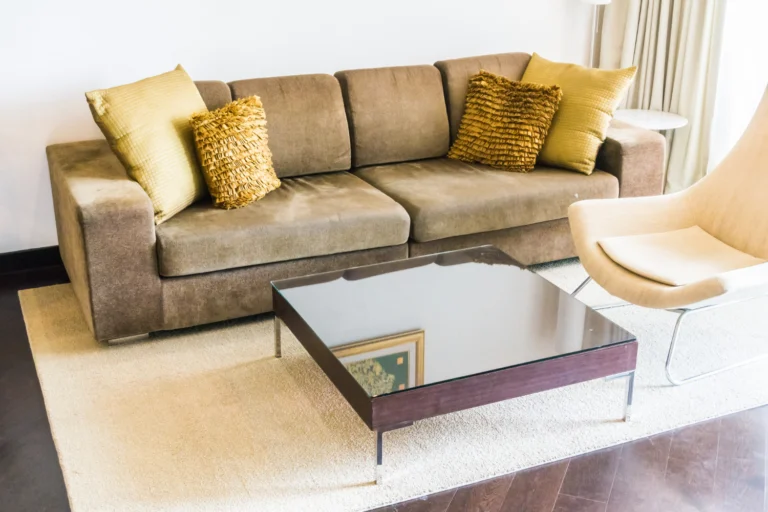
Before buying a larger rug, mark its dimensions on the floor. See whether bringing the front legs of the main seats onto it makes the arrangement feel more unified. It’s a useful starting point, though door swings and the room’s shape may call for another approach.
Paper templates help with artwork. Position them on the wall and view them from the doorway as well as from a seat. You may find that a group of existing pictures fills the space better than another purchase.
Keep some surfaces clear. A side table should still have room for a drink. Objects you care about are easier to notice when they aren’t competing with everything else on the shelf.
Use Color and Texture to Connect the Rooms
You don’t need identical furniture or matching wall colors throughout the house. A few recurring details can create continuity while leaving each room with its own character.
For example, a muted blue in a living room picture could reappear in a bedroom textile. Similar wood tones might connect a hallway console with the dining furniture. Check these relationships from the places where you can see several rooms at once.
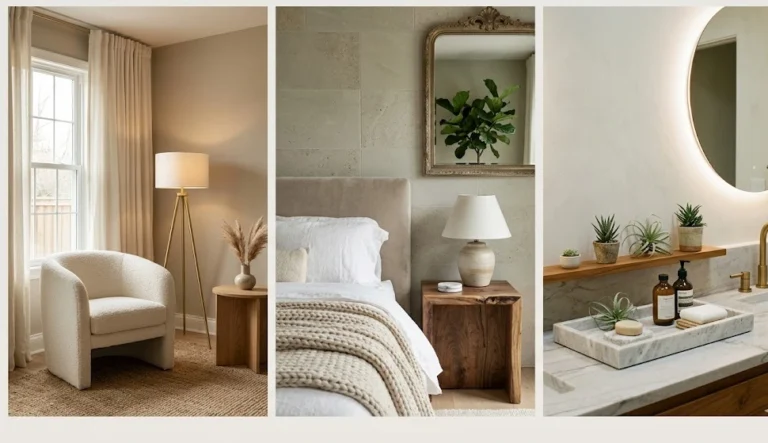
Texture adds interest when you prefer a restrained palette. Against smooth cabinetry, a woven shade or upholstered seat introduces a different surface. In a bedroom, curtains and bedding can soften the appearance of a plain room without introducing a strong pattern.
Work with pieces you already value. An inherited cabinet can guide the choice of nearby finishes. It doesn’t need to match every other item, but it should have enough space around it to look deliberately placed.
Plan Storage Around the Clutter You Actually Have
A tidy photograph doesn’t tell you whether a room will stay practical. Storage works best when it accounts for what people bring into the space and where they naturally leave it. For example, when comparing modular kitchen designs in Mumbai, check whether the cabinet layout suits your cookware, pantry items, and daily routines.
If bags collect near the entrance, accessible hooks or a cabinet there may help. Check that doors can still open and that the storage doesn’t narrow the route through the house. Children’s belongings need a place they can reach without assistance.
Measure what needs storing before choosing a unit. Board games, tall bottles, and charging equipment can be awkward fits. A shallow drawer beside the sofa may be more useful for remote controls than a large cabinet across the room.
Open shelving gives display objects a place, but everything on it remains visible. Use closed storage for belongings you’d prefer to put away. The balance should reflect your habits and how much arranging you’re willing to do.
Choose Finishes You Can Comfortably Maintain
A material’s appeal can change once you’re responsible for cleaning it. Before committing, read the care instructions and ask how it handles the wear expected in that particular room.
For upholstery, check whether removable covers are washable; a zip alone doesn’t establish that. With flooring, review the manufacturer’s guidance on moisture exposure and cleaning products. If you have pets, consider whether claws could catch in a loose weave. When speaking with flooring contractors in Mumbai, ask about subfloor preparation, moisture suitability, and the maintenance the chosen material requires.
Think about installation as well. The Environmental Protection Agency’s guidance on volatile organic compounds identifies paints, building materials, and furnishings as potential sources of VOC emissions. It recommends following product instructions and increasing ventilation when using products that emit them.
Ask suppliers for product-specific information, including drying or curing requirements. Allow for that time when deciding when the room can return to normal use.
Put the Budget Behind the Changes That Matter
Once you’ve tested your ideas, price the complete improvement. Curtains may need hardware and fitting. A new sofa may involve delivery and disposal charges. A lighting change could require electrical work, which deserves professional advice.
Settle the layout before committing to furniture or new outlet positions. Choose finishes alongside the pieces you’re keeping. Leave smaller accessories until the main decisions are in place, when it’s easier to see what’s missing.
If you’re uncertain about an expensive choice, a focused consultation with an interior designer may help. Confirm what the fee includes and whether you’ll receive measurements, drawings, or specific product recommendations. A search for the best interior designers in Mumbai can provide a starting list, but compare the scope of each consultation before making a decision.
For now, choose the room you use most and address one recurring annoyance. Try the revised arrangement or lighting for several days. When that change makes the room easier to live in, you’ll have a sound basis for deciding what deserves your money next.