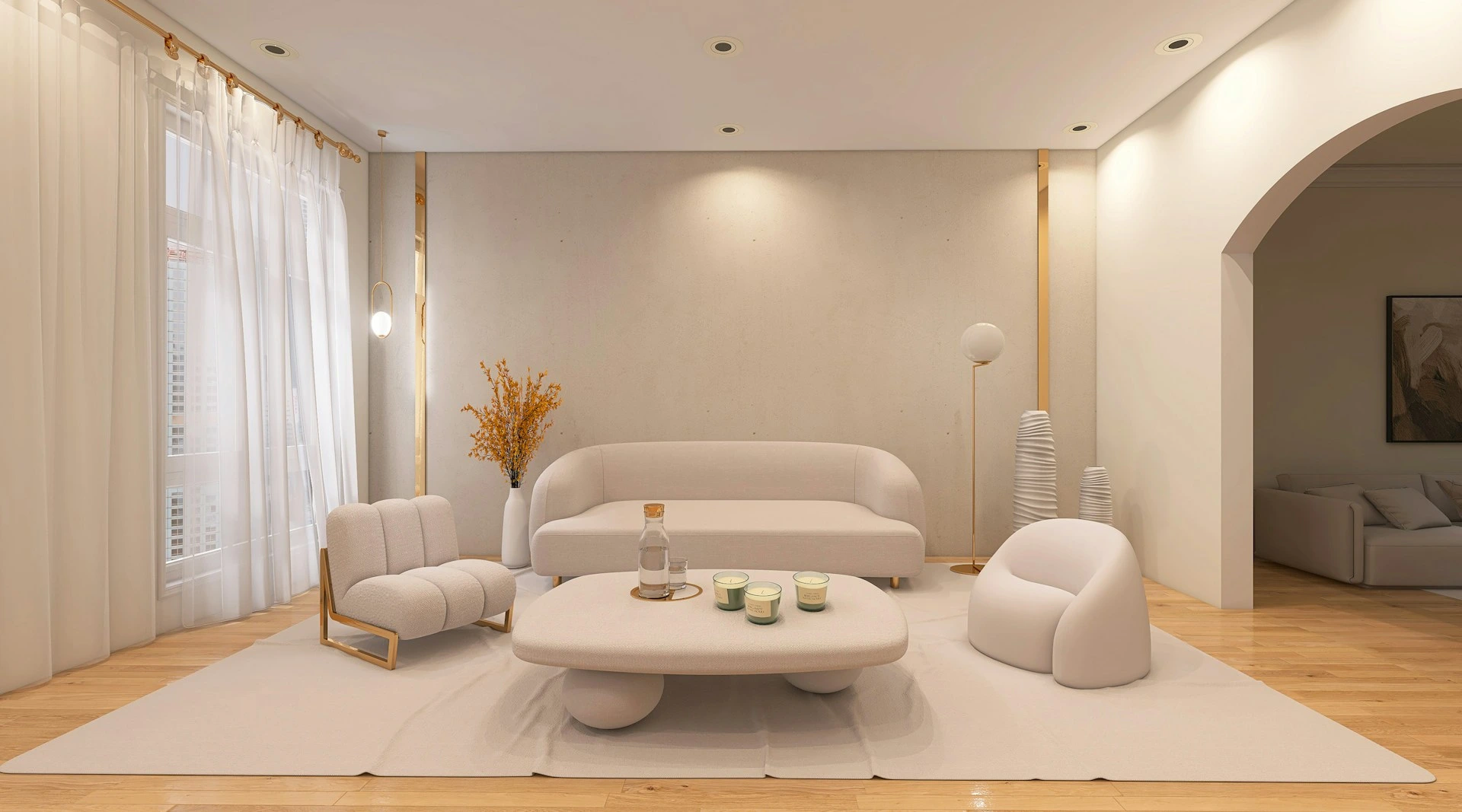
Interior Design Ideas for Room
Interior Design Ideas for Room: Modern Interior Design Ideas for Every Room in 2026
Modern interior design ideas for every room should start with function, light, comfort, storage, and long-term durability. A modern home should not look like a showroom. A modern home should help real people cook faster, sleep better, host comfortably, work quietly, and maintain the space without constant stress.
Most homeowners make the same mistake. They start with paint colors, Pinterest images, or a trending sofa before they understand the room’s job. A contractor-style design process starts with clearance, traffic flow, lighting layers, material durability, ventilation, storage, and then beauty.
Quick Summary
The best Interior Design Ideas for Room planning in 2026 combine warm modern style with practical measurements. Use clear walkways, layered LED lighting, natural textures, hidden storage, flexible furniture, better indoor air quality, and room-specific materials. Kitchens need safe work aisles, bathrooms need moisture-resistant finishes, bedrooms need low-glare lighting, living rooms need conversation zones, and home offices need acoustic control.
A strong modern interior uses fewer random pieces and more intentional choices. The winning formula is simple: measure first, zone the room, choose one calm base palette, add one strong texture, use three lighting layers, and invest in surfaces that survive daily life.
Who will benefit from this guide?
Use this checklist before you start planning.
- Homeowners researching before hiring a contractor. This guide helps you ask better questions before spending money.
- Apartment renters who want modern upgrades without demolition. Many ideas use furniture, lighting, rugs, and removable finishes.
- Families who need beautiful rooms that survive kids, pets, guests, and daily mess.
- Remote workers who need better lighting, acoustics, storage, and camera-friendly backgrounds.
- Remodelers planning kitchens, bathrooms, bedrooms, living rooms, entryways, dining rooms, laundry rooms, and small spaces.
- Interior designers and content teams who need a practical 2026 structure for Google, AI Overviews, and voice search.
What are the best modern interior design ideas for every room?
The best modern interior design ideas start with one connected design language, then adapt it to each room’s function. Every room can feel different, but the home should still feel related.
Here is what nobody tells you. A home does not need one identical theme in every room. It needs visual rhythm. That rhythm can come from repeated wood tones, metal finishes, flooring color, wall undertones, door hardware, trim color, or lighting temperature.
A repeated thread solves the “random furniture showroom” problem. I have seen homeowners buy a perfect sofa, a perfect dining table, and a perfect bed, then wonder why the house still feels wrong. The issue was not taste. The issue was no system.
Use this simple whole-home design rule:
| Design layer | Contractor-style decision | Modern result |
|---|---|---|
| Flooring | Keep major flooring transitions limited | Larger, calmer rooms |
| Wall color | Use one main neutral family | Better flow |
| Lighting | Keep color temperature consistent | Less visual stress |
| Hardware | Repeat two finishes maximum | Cleaner detail |
| Storage | Plan closed storage first | Less clutter |
| Texture | Add wood, stone, linen, wool, or clay | Warm modern look |

How should a modern living room be designed?
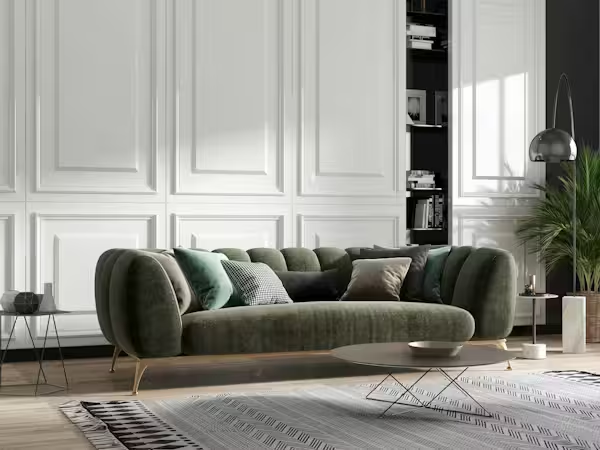
A modern living room should support conversation, relaxation, media, storage, and movement. Start with seating distance, rug size, lighting layers, and the main focal point before choosing decor.
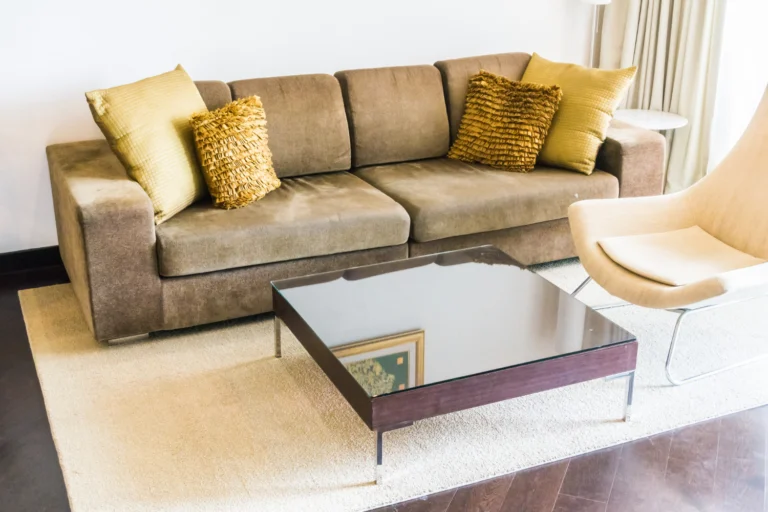
The living room is where most design mistakes become obvious. A sofa that looked elegant online may block a walkway. A coffee table may be too far from the seat. A rug may float like a postage stamp. The room may look “modern” but feel uncomfortable.
A practical living room plan starts with zones. Create one main seating zone, one storage zone, one lighting zone, and one flexible zone. The flexible zone can hold a reading chair, play area, desk, or extra stools.
Modern living rooms in 2026 are moving away from cold minimalism. Competitors and design publishers are now highlighting lived-in interiors, warm woods, natural materials, and character. Vogue notes that 2026 interiors are leaning into lived-in spaces, antiques, reuse, and personality. Good Housekeeping also highlights natural materials, sculptural lighting, terracotta, and decorative flooring for 2026. (Vogue)
What living room layout works best?
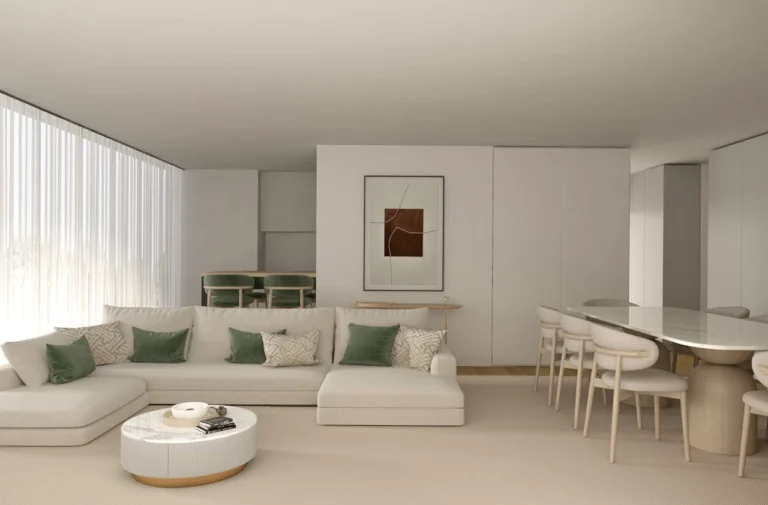
Use a conversation-first layout. Keep seating close enough that people can talk without raising their voice. Place the largest sofa against the longest practical wall, then balance it with chairs, a bench, or a sectional return.
A good modern living room usually needs:
- One main sofa or sectional. The sofa should fit the wall and leave comfortable walking space.
- One large rug. The front legs of major seating should touch the rug.
- One closed storage piece. Closed storage hides remotes, chargers, toys, blankets, and visual noise.
- Three lighting layers. Use ceiling lighting, table or floor lamps, and accent lighting.
My strong opinion is simple. A beautiful living room without lamps is unfinished. Ceiling lights alone make most living rooms feel flat, tired, and strangely public.
How do you make a modern kitchen beautiful and functional?
A modern kitchen should be planned around workflow, safe clearances, ventilation, storage, lighting, and durable surfaces. Style comes after the kitchen works.
Kitchen photos often hide the boring details that matter most. Door swings, drawer clearances, trash placement, outlet locations, appliance landing zones, and aisle width decide whether a kitchen feels expensive or annoying.
NKBA kitchen planning guidance states that a kitchen work aisle should be at least 42 inches for one cook and 48 inches for multiple cooks. The same guidance also references a 30 by 48 inch clear floor space at appliances for access planning. (NKBA Media)
That single measurement can save a remodel. I once reviewed a small kitchen concept where the island looked stunning in the rendering. The aisle was only about 34 inches after countertop overhang. The client would have spent money on a kitchen that forced people to turn sideways near the dishwasher. We reduced the island depth, added storage to the back wall, and the room worked.
What modern kitchen ideas are worth using in 2026?
Use these contractor-approved ideas:
| Kitchen idea | Why it works | Watch-out |
|---|---|---|
| Flat-panel cabinets | Clean modern lines | Can feel sterile without texture |
| Warm wood lowers | Adds depth and hides wear | Match undertone with flooring |
| Quartz or sintered stone | Durable and low maintenance | Confirm heat and edge details |
| Induction-ready layout | Future-friendly cooking | Check electrical needs |
| Appliance garage | Hides countertop clutter | Needs outlet planning |
| Tall pantry wall | Adds serious storage | Can overpower small kitchens |
| Under-cabinet lighting | Improves task visibility | Use diffusers to avoid glare |
2026 kitchen content also shows a shift toward warmth and character. Recent design coverage highlights terracotta, warm woods, tumbled limestone, terrazzo, and mosaic floors as kitchen flooring trends. (Livingetc)
What are the smartest modern bedroom ideas?
A modern bedroom should reduce stimulation, improve sleep, and create easy storage. Use soft lighting, quiet materials, layered textiles, and fewer visual interruptions.
Bedrooms often fail because people decorate them like small living rooms. They add too many colors, too many pillows, too many devices, and too much exposed storage. A better bedroom is calmer.
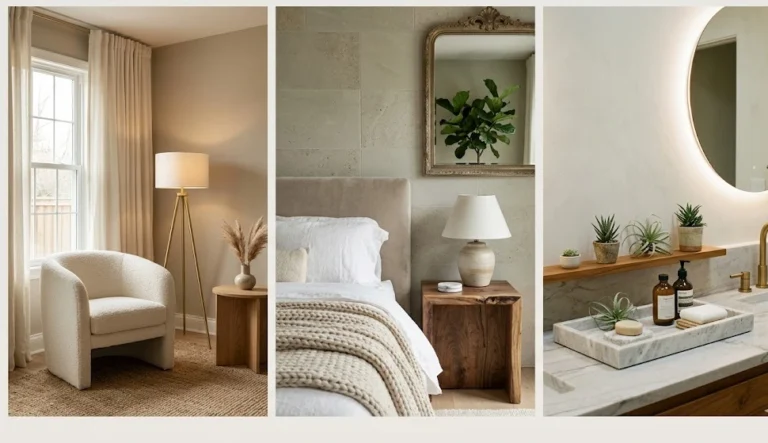
Start with the bed wall. Use a headboard, wall panel, wallpaper, limewash effect, or built-in ledge to anchor the room. Then control the light. Bedrooms need low, warm, dimmable light more than dramatic ceiling fixtures.
House & Garden’s bedroom coverage shows the continued value of built-in joinery, especially where space is limited. Built-ins matter because bedrooms collect the most hidden clutter: clothes, spare bedding, chargers, skincare, books, and seasonal items. (House & Garden)
What bedroom design mistakes should you avoid?
Avoid these common failures:
- Matching furniture sets that make the room feel flat. A modern bedroom needs contrast, not a showroom bundle.
- Bright white bulbs near the bed. Harsh light makes the room feel clinical.
- Tiny rugs beside the bed. Use one larger rug or two substantial runners.
- Open shelving near the sleep zone. Open shelves create visual noise.
- No blackout strategy. Window treatment planning matters as much as bedding.
A useful rule is to remove one decorative object from each surface. Modern does not mean empty. Modern means edited.
How can a bathroom feel modern without becoming cold?
A modern bathroom should combine moisture-safe materials, layered lighting, easy cleaning, ventilation, storage, and a spa-like sensory feel. The best bathrooms are practical first and beautiful second.
Bathrooms are expensive because water punishes bad decisions. A cheap vanity can swell. Poor ventilation can damage paint. Slippery tile can become dangerous. Weak lighting can make grooming frustrating.
Modern bathrooms in 2026 are leaning into invisible wellness. Recent home design coverage describes wellness features moving from obvious luxury add-ons to subtle improvements like better lighting, calming palettes, natural materials, acoustics, airflow, and hygiene-focused technology. (House Beautiful)
Which bathroom upgrades offer the best value?
| Bathroom upgrade | Best for | Why it matters |
|---|---|---|
| Recessed medicine cabinet | Small bathrooms | Adds storage without bulk |
| Large-format porcelain tile | Wet zones | Fewer grout lines |
| Heated floor | Cold climates | Comfort and perceived luxury |
| Curbless shower | Aging-in-place planning | Better access when detailed correctly |
| Wall-mounted vanity | Small rooms | More visible floor area |
| Backlit mirror | Grooming and mood | Softer face lighting |
| Humidity-sensing fan | Busy households | Better moisture control |
Accessibility should not be treated as an afterthought. ADA guidance explains that accessible elements need clear floor space and turning space so people using wheelchairs can approach and use fixtures. Door guidance also references a 32 inch minimum clear width for accessible doors. (Access Board)
Even if a private home does not legally need ADA compliance, these measurements help future-proof design. Wider paths, safer showers, lever handles, better lighting, and blocking for future grab bars make homes easier for guests, parents, children, and your future self.
What modern dining room ideas work for real families?
A modern dining room should support meals, homework, hosting, storage, and lighting control. Choose durable surfaces and comfortable chairs before choosing dramatic decor.
Dining rooms are returning, but not as stiff museum rooms. The modern dining room is a flexible room. It may host Sunday lunch, laptop work, board games, school projects, and holiday meals.
The best dining rooms use one strong anchor. That anchor can be a sculptural pendant, oversized art, a built-in sideboard, a textured wall, or a beautiful table. Do not use all five at once.
What dining table shape should you choose?
Use the room shape as your guide.
| Room type | Best table shape | Why |
|---|---|---|
| Narrow room | Rectangular | Follows the room |
| Square room | Round or square | Balances proportions |
| Open plan | Oval | Softens circulation |
| Small apartment | Round pedestal | Easier movement |
| Large family room | Extendable rectangle | Flexible hosting |
Here is a design truth people avoid. Expensive dining chairs are useless if they are uncomfortable after 20 minutes. Sit before you buy whenever possible.
How should a modern home office be designed?
A modern home office should protect focus. Plan lighting, acoustics, storage, cable control, chair ergonomics, and camera background before buying decorative items.
Remote work changed what homeowners need from interiors. A pretty desk in a dark corner is not a home office. A true home office supports long work sessions, video calls, privacy, and tidy storage.
Use a three-zone office layout. The work zone holds the desk and chair. The storage zone hides paper, devices, and supplies. The background zone controls what appears on camera.
What home office upgrades matter most?
- Task lighting near the desk. A lamp helps reduce eye strain when daylight changes.
- Acoustic softness. Rugs, curtains, upholstered chairs, and bookshelves reduce echo.
- Closed cable channels. Cables ruin modern rooms faster than almost anything.
- Adjustable chair and monitor height. Comfort affects productivity.
- One personal object. A plant, artwork, or framed print keeps the room human.
I prefer matte finishes in offices. Glossy desks and shiny shelves reflect light and create glare during video calls.
How can small rooms look modern and spacious?
Small rooms look modern when every item earns its footprint. Use wall-mounted storage, visual continuity, larger rugs, fewer finishes, mirrors placed with intent, and furniture with exposed legs.
Small rooms do not need tiny furniture. They need right-sized furniture. A small sofa with a bulky arm can waste more space than a slim full-size sofa. A tall cabinet can hold more than three small storage pieces.
Use these small-room ideas:
| Small-room problem | Better modern solution |
|---|---|
| No storage | Floor-to-ceiling cabinet |
| Dark corners | Wall sconces or plug-in lamps |
| Busy floor | Floating furniture |
| Too many colors | One main palette |
| No work zone | Fold-down desk |
| Cramped seating | Slim arms and raised legs |
| Visual clutter | Closed baskets and drawers |
Houzz’s modern living room guidance also points to space-saving choices like wall-mounted TV consoles, round or hexagonal coffee tables, and large area rugs to define apartment spaces. (Houzz)
The contrarian view is this. White walls do not automatically make a small room feel bigger. A small room with warm mid-tone walls, good lighting, and clean storage often feels richer and calmer than a tiny white box.
How do you use lighting in modern interior design?
Modern lighting should use ambient, task, and accent layers. Good lighting changes how materials, colors, faces, and furniture feel.
Lighting is not decoration. Lighting is infrastructure. The U.S. Department of Energy states that residential LEDs, especially ENERGY STAR rated products, use at least 75% less energy and last up to 25 times longer than incandescent lighting. (The Department of Energy’s Energy.gov)
A high-performance residential lighting guide also describes three lighting layers: ambient, task, and accent. Ambient light supports circulation, task light supports specific work, and accent light adds visual relief. (NLR)
What lighting temperature should you use?
| Room | Suggested feel | Practical note |
|---|---|---|
| Living room | Warm and dimmable | Use lamps and accent light |
| Kitchen | Clear but not harsh | Add under-cabinet task light |
| Bedroom | Warm and low-glare | Use bedside lamps |
| Bathroom | Accurate and flattering | Light both sides of mirror |
| Office | Balanced and focused | Avoid screen glare |
| Dining room | Warm and adjustable | Put pendant on dimmer |
Smart lighting is useful when it solves a real problem. It is not useful when it becomes another app nobody wants to open.
What colors are modern in 2026?
Modern 2026 color palettes are warmer, moodier, and more personal. Expect earthy neutrals, brown, oxblood, clay, olive, butter yellow, deep blue, terracotta, and soft black accents.
The all-gray interior is tired. It had a good run, but it made many homes feel like airport lounges. Modern color now looks more human.
Good Housekeeping highlights terracotta, statement mirrors, jewel tones, natural materials, and sculptural lighting for 2026 interiors. Architectural Digest trend coverage also points toward color drenching, livable luxury, vintage and reclaimed furnishings, dark woods, wallpaper, slow design, and biophilic design. (Good Housekeeping)
How do you choose a whole-home color palette?
Use this simple formula:
- 60% base color. Use warm white, mushroom, soft beige, greige, clay, or muted taupe.
- 25% natural texture. Use wood, linen, stone, wool, leather, rattan, or plaster.
- 10% contrast. Use black, dark bronze, walnut, charcoal, or deep green.
- 5% personality. Use art, pillows, ceramics, books, or one bold color.
This is where Interior Design Ideas for Room planning becomes more practical than trend chasing. The color should support the room’s use. A bedroom needs calm. A dining room can handle drama. A powder room can take a risk.
Which materials make a room look modern and last longer?
The best modern materials in 2026 are durable, repairable, lower-maintenance, and sensory. Choose materials that look better with age instead of materials that only look good on installation day.
Modern design is not just glossy cabinets and white walls. In 2026, modern means warmth, texture, responsibility, and longevity. ASID’s 2026 Trends Outlook examines lifestyle, wellness, technology, workforce, sustainability, adaptive living, AI, and design shifts shaping the built environment. (American Society of Interior Designers)
What materials should homeowners compare?
| Material | Best use | Honest assessment |
|---|---|---|
| Engineered wood | Floors, panels, cabinets | Stable and versatile |
| Porcelain slab | Bathrooms, kitchens | Durable but needs skilled install |
| Quartz | Counters | Low maintenance, less heat tolerant than some stones |
| Natural stone | Feature surfaces | Beautiful but needs sealing |
| Limewash or mineral paint | Walls | Soft movement, not for every household |
| Performance fabric | Seating | Great for families and pets |
| Wool rug | Living rooms, bedrooms | Durable and naturally warm |
| Recycled glass tile | Backsplash | Good accent, can look busy |
| Cork | Offices, playrooms | Soft and acoustic |
| Metal mesh or fluted glass | Dividers | Creates privacy without closing space |
EPA guidance says indoor air quality can improve through source control, ventilation, and filtration. EPA also notes that ventilation can remove or dilute indoor airborne pollutants from indoor sources. (US EPA)
That means material selection is not just visual. Paints, adhesives, flooring, upholstery, cabinets, and ventilation choices affect how a home feels and functions.
What are modern interior design ideas for entryways and hallways?
Modern entryways and hallways should solve transition problems. They need landing space, shoe storage, hooks, lighting, mirrors, durable flooring, and a clear path.
The entry is a pressure point. Bags land there. Shoes pile up there. Guests judge the home there. Packages appear there. A beautiful entry with no storage will fail by Friday.
Use a contractor-style entry checklist:
- Add a landing shelf for keys and mail.
- Use closed shoe storage if the entry is visible from the living room.
- Install wall hooks at kid and adult heights.
- Use a washable runner.
- Add a mirror only if it reflects something pleasant.
- Use a flush or semi-flush light in low ceilings.
- Keep at least one clear path through the space.
My favorite modern entry idea is a “quiet mudroom wall.” It can be only 48 inches wide. Use hooks, a bench, baskets, and a slim cabinet. That one wall can reduce clutter across the whole house.
How do you modernize a kids’ room without making it childish?
A modern kids’ room should be flexible, washable, safe, and easy to update. Invest in storage and lighting, then use low-cost decor for personality.
Kids change faster than furniture budgets. A dinosaur room becomes a football room. A princess room becomes a music room. The permanent parts should stay calm.
Use durable furniture, washable rugs, rounded corners, closed toy storage, blackout window treatments, and adjustable shelving. Add personality through bedding, art, lamps, decals, and baskets.
A smart kids’ room has three zones:
| Zone | Purpose | Design idea |
|---|---|---|
| Sleep | Rest | Calm wall color and blackout shade |
| Play | Movement | Soft rug and open floor |
| Study | Focus | Small desk, lamp, and storage |
Avoid expensive built-ins that lock the room into one age. Flexible furniture wins.
How can modern interiors support wellness?
Modern wellness design means better air, better light, better acoustics, safer movement, calming textures, and rooms that reduce daily friction.
Wellness design used to mean visible luxury. Saunas, cold plunges, and spa bathrooms got the attention. In 2026, the smarter trend is quieter. Better daylight. Better ventilation. Less noise. Fewer toxins. Better sleep.
EPA indoor air guidance emphasizes source control, ventilation, and filtration for reducing indoor pollutants. DOE lighting guidance supports LEDs as a high-efficiency lighting choice. ADA and access standards remind us that clear space and movement matter. (US EPA)
What wellness upgrades are realistic?
- Use low-VOC paints and adhesives.
- Add operable window coverings for daylight control.
- Use rugs, curtains, and textiles to reduce echo.
- Place plants where they can actually survive.
- Choose easy-clean surfaces in kitchens and baths.
- Add dimmers in bedrooms, dining rooms, and living rooms.
- Use induction or better ventilation where cooking odors linger.
- Plan safer paths with fewer sharp corners and trip points.
This is one of the most missed competitor gaps. Many articles show beautiful rooms. Few explain why a beautiful room can still feel exhausting.
What tools and brands help plan modern interior design?
The best tools help you measure, visualize, select colors, compare products, and avoid expensive mistakes. Use tools for decisions, not endless scrolling.
Here are practical tools and brands homeowners commonly use:
| Tool or brand | Best use | Honest note |
|---|---|---|
| Houzz | Visual research and local pros | Great for inspiration, easy to over-scroll |
| Mood boards | Needs editing or it becomes chaotic | |
| IKEA Kreativ | Budget room planning | Good for simple layouts |
| SketchUp | 3D planning | Learning curve is higher |
| RoomSketcher | Floor plans | Useful for homeowners |
| Sherwin-Williams ColorSnap | Paint testing | Always sample in real light |
| Benjamin Moore Color Portfolio | Paint ideas | Strong color library |
| Philips Hue | Smart lighting scenes | Best when routines are simple |
| Lutron Caséta | Reliable dimming | Higher cost, strong performance |
| Samsung Bespoke | Appliance aesthetics | Check service and availability |
| Caesarstone | Quartz surfaces | Compare slab availability locally |
| Kohler | Bath fixtures | Good range, premium lines get costly |
A tool does not replace judgment. A 3D render can make a bad aisle look acceptable. A paint app can make a color look perfect until afternoon light turns it green.
What should homeowners ask a contractor or designer before starting?
Homeowners should ask about measurements, material lead times, ventilation, electrical needs, code limits, storage, warranties, and maintenance before discussing final decor.
Before hiring anyone, ask these questions:
- What clearances are required for this room?
- What will be demolished, moved, repaired, or replaced?
- Where do we need electrical changes?
- How will ventilation be handled?
- What materials need maintenance?
- What items have long lead times?
- What choices affect resale value?
- What design choices affect accessibility?
- What parts of the design are trend-based?
- What would you remove from the plan to protect the budget?
Here is what nobody tells you. The best contractor is not always the cheapest. The best contractor explains tradeoffs before you sign.
Common mistakes that ruin modern interiors
The most common modern interior mistakes are poor lighting, wrong scale, cold palettes, weak storage, bad clearances, trend overload, and ignoring maintenance.
Avoid these mistakes:
| Mistake | Why it fails | Better choice |
|---|---|---|
| Buying furniture before measuring | Blocks flow | Tape furniture outlines first |
| Using one ceiling light | Makes rooms flat | Add lamps and accent light |
| Choosing all gray finishes | Feels cold | Add warm undertones |
| Ignoring storage | Creates clutter | Plan closed storage |
| Copying a trend exactly | Dates quickly | Use trends in small doses |
| Choosing fragile materials | Adds stress | Match materials to lifestyle |
| Forgetting ventilation | Hurts comfort | Plan airflow early |
| No dimmers | Limits mood | Add dimmers in key rooms |
The strongest Interior Design Ideas for Room strategy is not buying more. It is editing better.
FAQ: Modern Interior Design Ideas for Every Room
What is the easiest way to make a room look modern?
Use cleaner lines, better lighting, larger rugs, closed storage, and one consistent color palette. Replace small random decor with fewer, stronger pieces. A modern room should feel edited, not empty.
What is the best modern interior design idea for small homes?
Use vertical storage, wall-mounted furniture, light control, and fewer flooring transitions. Small homes look bigger when rooms share a visual language and clutter is hidden.
Should every room have the same design style?
Every room should feel connected, but not identical. Repeat undertones, wood finishes, hardware, or lighting temperature. Let bedrooms feel calmer and dining rooms feel richer.
What modern interior trends are outdated in 2026?
Cold gray interiors, fake minimalism, tiny rugs, overdone open shelving, and showroom-matched furniture feel dated. Warmer, more personal, and more functional interiors are stronger now.
How do I choose modern colors for each room?
Start with the room’s purpose. Use calming colors in bedrooms, durable neutrals in kitchens, richer tones in dining rooms, and flexible backgrounds in living rooms and offices.
What is the most overlooked part of interior design?
Lighting is the most overlooked part. A room with expensive furniture can still look poor under harsh ceiling lights. Use ambient, task, and accent lighting.
Are modern interiors good for families?
Yes, but only when materials are realistic. Choose performance fabric, washable paint, closed storage, rounded furniture edges, durable flooring, and easy-clean surfaces.
What should I plan before hiring a contractor?
Plan measurements, storage, electrical needs, ventilation, lighting, material durability, and budget priorities. Bring inspiration images, but also bring a list of daily problems.
How can I make a rental look modern?
Use removable wallpaper, plug-in sconces, better curtains, large rugs, freestanding storage, peel-and-stick backsplash, art, lamps, and upgraded hardware where allowed.
What is the best investment room to modernize first?
Modernize the room that affects daily life most. For many homes, that is the kitchen, bathroom, bedroom, or living room. Comfort and function should decide priority.
How do modern interiors improve resale?
Modern interiors can improve resale when they feel durable, neutral enough, well-lit, and functional. Avoid extreme trend choices in expensive permanent materials.
What is the safest way to use bold trends?
Use bold trends in paint, pillows, art, lighting, rugs, and powder rooms. Keep expensive permanent finishes more timeless unless you truly love the look.
What should you do first?
Start with one room, not the whole house. Measure the room, photograph the problem areas, write down what frustrates you daily, then choose one design direction. The best Interior Design Ideas for Room planning begins with real life, not fantasy photos.
My practical recommendation is simple. Fix lighting and storage before buying statement decor. Those two changes make almost every room feel cleaner, calmer, and more expensive.
2026 Material Watch
Modern interiors in 2026 are moving toward materials that are warmer, smarter, healthier, and easier to maintain.
- Bio-based acoustic panels are becoming more useful in home offices, media rooms, bedrooms, and open-plan living areas. They help reduce echo without making a room look commercial.
- Low-carbon concrete-look porcelain gives homeowners the industrial look without the weight and maintenance issues of real concrete.
- Mycelium-based decor materials are still emerging, but they fit the 2026 interest in regenerative materials and tactile design.
- Recycled aluminum cabinet fronts may grow in kitchens, laundry rooms, and utility spaces because they are durable and clean-lined.
- Smart privacy glass is useful for home offices, bathrooms, and broken-plan interiors where homeowners want light without full exposure.
- Cork wall and floor finishes deserve more attention because cork adds warmth, softness, and acoustic value in offices, kids’ rooms, and bedrooms.
- Mineral-based paints and plasters support the textured wall trend while creating a softer, less plastic-looking finish than standard flat paint.