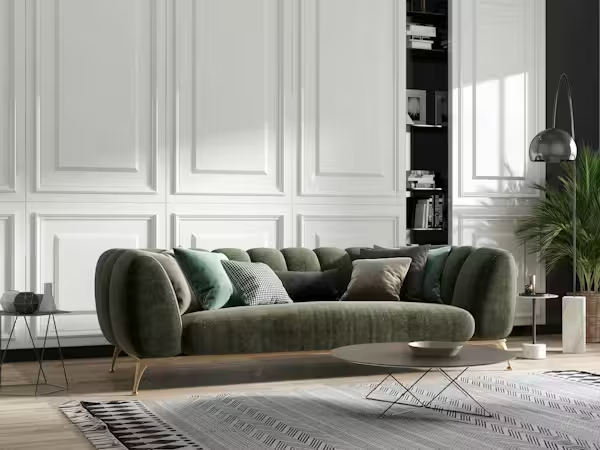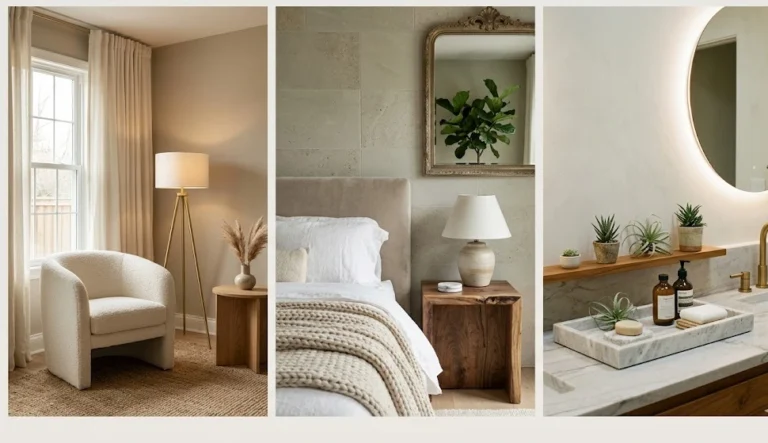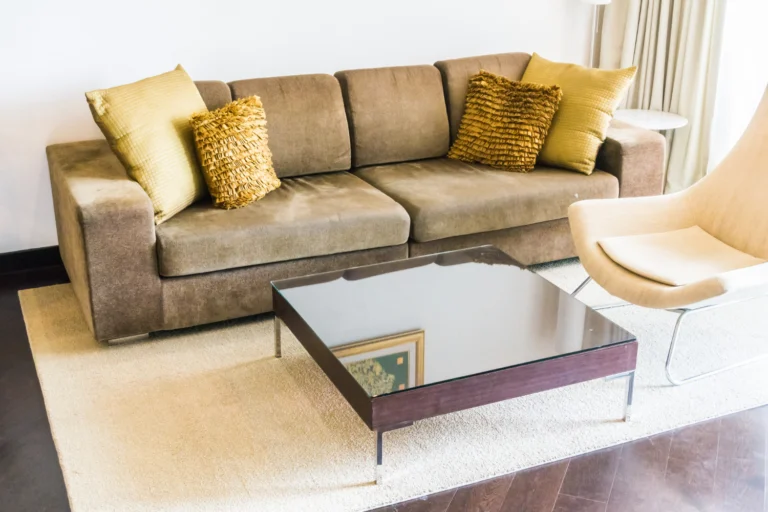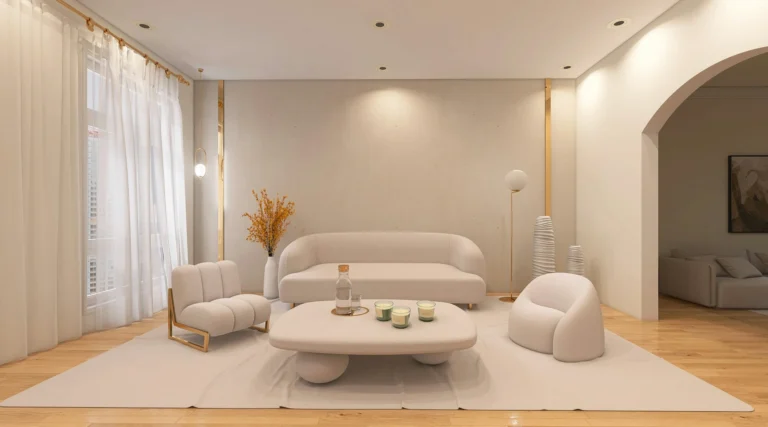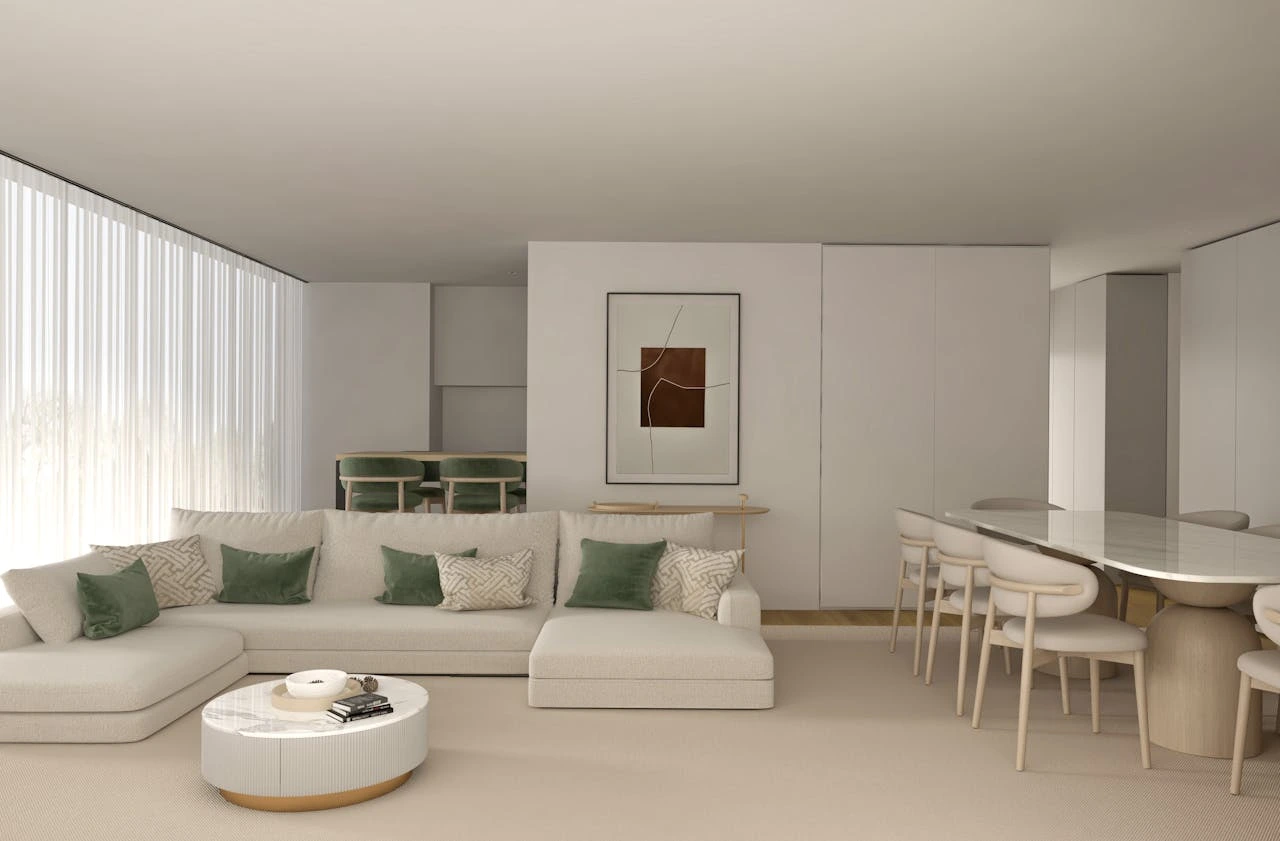
Interior Design Guide
Interior Design Guide 2026: Plan a Home That Looks Beautiful, Works Hard, and Does Not Waste Your Budget
Quick Summary
Interior Design is the planning of indoor spaces so they look beautiful, work well, support daily life, and protect long-term value. A good design plan covers layout, lighting, materials, storage, furniture, color, comfort, indoor air quality, and contractor coordination. In 2026, the smartest homeowners are choosing personal style, healthier materials, flexible rooms, better lighting, and realistic budgets before hiring a designer or contractor.
You can spot a rushed home project in five seconds.
The sofa blocks the walkway. The kitchen pendant lights hang in the wrong place. The bathroom tile looks amazing online but feels cold and slippery every morning. The storage looks clean in photos, then real life arrives with school bags, chargers, laundry, pet supplies, and the one chair everyone dumps clothes on.
Here is what nobody tells homeowners early enough. Interior Design is not just taste. It is risk management.
A strong design plan saves money because it prevents rework. It also protects comfort, resale value, health, and daily sanity. That matters more in 2026 because costs, supply chains, smart home systems, climate pressure, and material choices are all changing fast. ASID’s 2026 outlook says interior design is being shaped by trade, technology, climate, and workforce shifts, not just color trends. (Interior Design)
The real question is not, “What style should I choose?”
The better question is, “How should this home support my life for the next five to ten years?”
This guide is useful for you if you are:
- Planning a full home renovation
- Hiring an interior designer for the first time
- Comparing designer fees and contractor quotes
- Designing a kitchen, bathroom, living room, bedroom, or home office
- Trying to avoid expensive Pinterest mistakes
- Building a new home and planning interiors early
- Updating a rental, Airbnb, apartment, or family home
- Choosing materials, lighting, furniture, storage, and finishes
- Looking for 2026 Interior Design trends that will last
What is Interior Design, really?
Interior Design is the professional planning of indoor spaces so they are functional, safe, attractive, comfortable, and suitable for the people who use them. It includes layout, lighting, furniture, color, finishes, materials, storage, circulation, acoustics, wellness, and coordination with builders or trades. Decoration is part of it, but it is not the whole job.
A decorator can help choose cushions, curtains, artwork, and accessories.
A designer should think about how the room works before anything looks pretty.
That difference matters.
A living room with beautiful furniture can still fail if the walkway is too narrow. A kitchen with expensive cabinets can still frustrate you if the trash pullout sits far from the prep zone. A bedroom with designer wallpaper can still feel wrong if the lighting makes the room look flat at night.
The best Interior Design starts with behavior.
How do you wake up?
Where do bags land?
Who cooks?
Do you host guests?
Do you work from home?
Do you need quiet?
Do you have kids, pets, elderly parents, or mobility needs?
Competitors often explain the seven principles. Balance, rhythm, contrast, emphasis, scale, proportion, unity, and detail all matter. But those principles should serve real life, not a showroom fantasy. (IIAD)
My strong opinion: a home that photographs well but irritates you daily is not good design. It is expensive staging.
Why does Interior Design matter before hiring a contractor?
Interior Design should start before construction because layout, lighting, outlets, plumbing, furniture size, appliances, storage, and materials affect the contractor’s work. If you design after walls, wiring, or plumbing are finished, changes become slower, messier, and more expensive. Early planning prevents rework and helps every trade follow one clear vision.
This is the mistake homeowners repeat.
They hire a contractor first. Then they choose finishes later. Then they realize the pendant lights are not centered over the island. The sofa needs an outlet behind it. The bathroom niche sits on the wrong wall. The wardrobe doors hit the bed.
At that point, the project becomes a chain of “small changes.”
Small changes are where budgets quietly bleed.
A 2026 survey of 74 interior design professionals found that 88 percent said clients underestimate true project costs. It also found that only 27 percent said social-media-inspired designs are often feasible for the client’s budget and space. (MyArchitectAI)
That is not because homeowners are foolish.
It is because Instagram shows outcomes, not constraints.
A designer or design-led contractor helps translate the dream into measurements, drawings, product lists, finish schedules, and trade instructions.
Before demolition, decide:
- Furniture sizes
- Walkways and clearances
- Lighting layers
- Switch and outlet locations
- Plumbing fixture positions
- Cabinet and storage zones
- Flooring transitions
- Door swings
- Appliance sizes
- Material lead times
A contractor builds the project.
A designer makes sure the project is worth building.
How much does Interior Design cost in 2026?
Interior Design costs vary by scope, location, designer experience, service level, and furnishings. A small consultation may cost a few hundred dollars. A single-room design may cost several thousand. Full-service design for large homes can run far higher because it includes planning, sourcing, project management, procurement, installation, and trade coordination.
Several 2026 cost guides place traditional interior designer fees around $2,000 to $15,000 for many projects, excluding furniture. Online design options can start lower, often using flat-rate packages. (Decorilla)
TALD’s 2026 guide frames interior design cost as a stack of design fee, furnishings, sourcing, logistics, and installation. It says projects may range from about $2,000 for a single room to $500,000 or more for a full-home renovation with furnishings. (TALD)
That range is huge, so use this practical view.
| Project type | Typical design involvement | Budget risk |
| Paint and styling refresh | Color, furniture, decor | Low |
| One-room makeover | Layout, sourcing, styling | Medium |
| Kitchen or bathroom | Layout, lighting, materials, trades | High |
| Full home furnishing | Room plans, procurement, install | High |
| New build or major renovation | Drawings, coordination, specifications | Very high |
The cheapest designer is not always the best value.
The expensive designer is not always the best fit either.
Look for clarity. Ask what is included. Ask how many revisions you get. Ask whether they coordinate with contractors. Ask whether they mark up furnishings. Ask how purchasing works. Ask what happens when items arrive damaged.
Here is the uncomfortable truth. Bad scope kills trust faster than bad taste.
What Interior Design trends matter in 2026?
The strongest 2026 Interior Design trends are personal, practical, healthier, and more material-aware. Homeowners are moving away from cold minimalism and choosing richer color, layered textures, lived-in rooms, natural materials, wellness lighting, better storage, flexible workspaces, and spaces that feel specific to their lives instead of copied from a feed.
ASID’s 2026 Trends Outlook says design is being shaped by cultural, technological, economic, and environmental forces. It also notes that boldness and individuality are rising after years of restraint. (ASID)
Vogue’s 2026 trend coverage points toward lived-in interiors, natural materials, and expressive details. (Vogue)
House Beautiful’s 2026 trend piece also highlights bold color and bigger statements after years of quiet neutral interiors. (House Beautiful)
The useful trends are not the loudest ones.
They are the ones that improve daily life.
2026 trends worth considering
- Warm wood tones
- Saturated but livable color
- Patterned textiles
- Lived-in rooms
- Biophilic design
- Better acoustics
- Circadian lighting
- Flexible home offices
- Walk-in storage
- Outdoor living as an extension of indoors
- Artisan pieces
- Reused or vintage furniture
- Durable natural materials
- Lower-VOC finishes
- Smart systems that stay quiet in the background
Trends to question
- All-white rooms with no texture
- Fast furniture that fails quickly
- Overly glossy kitchens
- Copy-paste hotel interiors
- Microcement everywhere without maintenance planning
- Open shelving without real storage nearby
- Expensive statement pieces with no comfort value
My contrarian view: “timeless” often means “afraid.” A better goal is durable personality.
How do you choose an Interior Design style without copying everyone else?
Choose an Interior Design style by studying how you live first, then collecting references that match your lifestyle, architecture, climate, budget, and maintenance tolerance. Instead of asking, “What style is trending?” ask, “What will still feel honest when the room is messy, busy, and used every day?”
Most homeowners start with images.
That is fine.
But the better process starts with friction.
What annoys you now?
Maybe your entry has no landing zone. Maybe your bedroom lighting is too harsh. Maybe your kitchen has too many upper cabinets and not enough prep space. Maybe your living room feels formal, so nobody uses it.
Solve those problems before you name a style.
Then build a style vocabulary.
| If you like | You may prefer | Watch out for |
| Calm, clean spaces | Minimal, Japandi, Scandinavian | Can feel cold without texture |
| Warm traditional detail | Transitional, classic, heritage | Can feel heavy if overdone |
| Bold color and pattern | Maximalist, eclectic | Needs editing and repetition |
| Natural stone and wood | Organic modern, rustic modern | Can get expensive fast |
| Soft luxury | Contemporary, quiet luxury | May look generic without personal pieces |
| Local craft | Vernacular, artisan, hyper-local | Needs careful sourcing |
The best room usually has one clear mood and three strong anchors.
For example:
Warm family kitchen
Oak floor
Cream cabinets
Terracotta tile
Or:
Moody reading room
Walnut shelves
Olive walls
Amber lighting
Do not ask Pinterest to design your home.
Ask Pinterest to teach you your own pattern.
What are the seven Interior Design elements homeowners should understand?
The seven core design elements are space, line, form, light, color, texture, and pattern. Homeowners do not need to master design theory, but they should understand how these elements affect comfort, mood, flow, and budget. When one element dominates too much, the room usually feels awkward or unfinished.
Several competitor pages explain these elements clearly, including Punchlist and Boco Interior Designs. (Punchlist)
Here is the homeowner version.
Space
Space is not just square footage.
It is breathing room.
A small room can feel generous if furniture fits well. A large room can feel chaotic if zones are unclear.
Line
Lines guide the eye.
Tall curtains make ceilings feel higher. Horizontal shelves make a wall feel wider. Curved furniture softens hard architecture.
Form
Form is shape.
Boxy sofas, round tables, arched mirrors, fluted cabinets, and sculptural lights all change how a room feels.
Light
Light is the most underpriced design tool.
Use ambient, task, and accent lighting. One ceiling fixture cannot carry a whole room.
Color
Color affects mood, but it also affects proportion.
Dark colors can make a room feel intimate. Light colors can reflect more daylight. Both can work.
Texture
Texture makes simple rooms feel expensive.
Think linen, wool, limewash, stone, wood, rattan, plaster, velvet, and brushed metal.
Pattern
Pattern adds rhythm.
Use it in rugs, tiles, wallpaper, pillows, upholstery, or art. Repeat one color across patterns to keep control.
A room with no texture feels flat.
A room with no negative space feels noisy.
A room with no lighting plan feels unfinished.
How should homeowners plan lighting in Interior Design?
A strong lighting plan uses layers. Ambient lighting lights the whole room. Task lighting supports work. Accent lighting adds mood and depth. Natural light, dimmers, color temperature, glare control, and fixture placement matter as much as fixture style. In 2026, lighting also connects to wellness, sleep, energy use, and smart controls.
Lighting mistakes are common because homeowners choose fixtures too late.
By then, the wiring is done.
Plan lighting during layout, not after shopping.
Use this simple model:
| Layer | Purpose | Examples |
| Ambient | General room light | Ceiling lights, recessed lights |
| Task | Focused work light | Under-cabinet lights, reading lamps |
| Accent | Mood and depth | Wall washers, picture lights |
| Decorative | Visual personality | Pendants, chandeliers, sconces |
| Natural | Daylight quality | Windows, skylights, sheer curtains |
The newer wellness conversation matters here.
WELL Certification covers building performance categories connected to health and well-being, including light, air, sound, thermal comfort, materials, and mind. (wellcertified.com)
You do not need a certified home to use the logic.
Use brighter, cooler light where you work. Use warmer, dimmer light where you relax. Avoid glare near beds, mirrors, and screens. Put lights on separate switches.
The designer trick is simple.
Light the surfaces, not just the air.
Why should indoor air quality be part of Interior Design?
Indoor air quality belongs in Interior Design because paints, adhesives, cabinetry, flooring, furniture, cleaning products, combustion appliances, moisture, and ventilation all affect the air people breathe. A beautiful room can still be unhealthy if it traps pollutants, off-gasses heavily, or encourages mold through poor ventilation.
EPA identifies common indoor air pollutants such as carbon monoxide, particulates, mold, lead, asbestos, pesticides, ozone, and VOCs from products and materials. EPA also notes that building materials can release pollutants through deterioration or off-gassing. (US EPA)
This is where design becomes serious.
Ask about:
- Low-VOC paints
- Formaldehyde-conscious cabinetry
- Ventilation during installation
- Moisture control
- Exhaust fans
- Range hood quality
- Area rugs that can be cleaned
- Upholstery certifications
- Mold-resistant bathroom details
- Safe storage for chemicals
EPA recommends more fresh air when using products that emit VOCs and safe disposal of old chemical products. (US EPA)
Here is my blunt take.
A cheap cabinet that smells for months is not cheap. It is a daily exposure decision.
Healthier materials are not always luxury. Sometimes they are just better planning.
How can Interior Design support sustainability without becoming fake “green” marketing?
Sustainable Interior Design means choosing durable, repairable, lower-impact, healthier, and resource-conscious materials. It also means reusing what already exists, avoiding wasteful trend cycles, designing for long life, and selecting products that suit climate, maintenance, and real household behavior. The greenest room is often the one you do not redo again in three years.
UNEP says buildings and construction account for 32 percent of global energy consumption and 34 percent of carbon dioxide emissions. That makes design choices part of a much larger environmental picture. (UNEP – UN Environment Programme)
Interior choices connect to that through:
- Flooring
- Cabinets
- Countertops
- Furniture
- Lighting
- Appliances
- Insulation
- Windows
- Paint
- Demolition waste
- Shipping distance
- Product lifespan
Good sustainability is not buying every item with a leaf icon.
It is asking better questions.
Can this be repaired?
Can it be refinished?
Can we reuse the existing floor?
Can vintage furniture replace new fast furniture?
Will this material survive kids, pets, humidity, and sunlight?
Can local makers reduce shipping and add character?
In 2026, the most elegant homes often mix new and old. That mix adds soul and reduces waste.
The future belongs to rooms with memory.
What tools and brands help with Interior Design planning?
The best tools depend on your project stage. Use inspiration tools for taste, measurement tools for accuracy, rendering tools for visualization, budgeting tools for control, and project tools for communication. Do not let AI images replace measurements, specifications, contractor coordination, or material samples. Pretty pictures are not construction documents.
Here is an honest tool list.
| Tool or brand | Best use | Honest note |
| Mood boards | Great for taste, weak for budget reality | |
| Houzz | Photos and pro discovery | Useful for style patterns |
| Canva | Client-friendly boards | Easy for beginners |
| SketchUp | 3D planning | Strong, but takes learning |
| AutoCAD | Technical drawings | Best for professionals |
| Revit | Full building coordination | Better for complex projects |
| Planner 5D | Simple room planning | Good for early ideas |
| RoomSketcher | Floor plans | Useful for homeowners |
| Figma | Design presentations | Great for organized boards |
| Notion | Project tracking | Good for decisions and links |
| Google Sheets | Budget tracking | Still underrated |
| MyArchitectAI | Fast concept rendering | Helpful, but not a replacement for buildable plans |
The 2026 professional discussion around AI is real. Interior Design Magazine’s ASID summary says AI is now fundamental in practice, but it changes the designer’s role toward curation and decision-making. (Interior Design)
That matches what homeowners need.
Use AI for options.
Use professionals for judgment.
How do you hire the right interior designer?
Hire an interior designer by comparing process, portfolio, communication style, fee structure, contractor coordination, documentation, purchasing rules, timeline control, and problem-solving ability. Do not hire based only on Instagram photos. Ask how they handle budgets, delays, damaged items, substitutions, site issues, and decisions you later regret.
Ask these questions before signing:
- What is your full design process?
- What services are included?
- How do you charge?
- Do you mark up furniture or materials?
- How do you protect the budget?
- How many revisions are included?
- Do you coordinate trades?
- Who orders products?
- What happens if items arrive late?
- Can I see similar projects?
- How do you handle mistakes?
- What documents will I receive?
- Do you provide lighting and electrical plans?
- Do you create a finish schedule?
- What decisions do you need from me first?
Competitor hiring guides often cover budget, style, portfolio, services, project management, and timelines. Those are essential. (Kaas Interiors)
But add one more question:
“What would you stop me from doing?”
That answer reveals whether the designer protects you or simply agrees with you.
A good designer is not a shopping assistant.
A good designer is a strategic filter.
What Interior Design mistakes cost homeowners the most?
The most expensive mistakes are poor space planning, late lighting decisions, unrealistic budgets, wrong material choices, weak contracts, buying furniture before measuring, copying social media rooms, ignoring storage, and starting construction without a complete design brief. Most failures happen before the first product is installed.
Here are the mistakes I would put on a wall.
Mistake 1: Designing for photos
A room must survive Tuesday morning, not just Sunday afternoon.
Mistake 2: Ignoring storage
Minimalism without storage becomes clutter with better branding.
Mistake 3: Buying furniture too early
Measure doors, lifts, stairs, and room clearances first.
Mistake 4: Choosing finishes in isolation
A tile sample can look perfect alone and wrong beside the floor.
Mistake 5: Treating lighting as decoration
Lighting is infrastructure.
Mistake 6: Forgetting maintenance
Marble, unlacquered brass, limewash, wool, and microcement can be beautiful. They need honest care.
Mistake 7: Not phasing work
A staged plan beats a half-finished dream.
Mistake 8: Hiding the real budget
Designers cannot solve math they cannot see.
The Reddit language around designers often comes back to budget trust, feasibility, and portfolio fit. Homeowners want someone who respects how they live, not just someone with taste. (Reddit)
That is the emotional core of the whole topic.
People do not fear design.
They fear being pushed into expensive choices they cannot undo.
How do you create a homeowner design brief before hiring anyone?
A homeowner design brief is a short document that explains your goals, budget, rooms, lifestyle, style references, must-haves, dislikes, timeline, decision-makers, and constraints. It helps designers and contractors price accurately, reduce confusion, and avoid designing a beautiful solution to the wrong problem.
Create a brief with these sections.
1. Project goal
Example: “We want a warm, durable family kitchen with better storage, better lighting, and a dining zone for six.”
2. Rooms included
List every space.
3. Budget range
Use a range, not a fantasy number.
4. Lifestyle facts
Kids, pets, work from home, hosting, aging parents, cooking habits.
5. Must keep
Existing floor, sofa, art, cabinet boxes, appliances, or windows.
6. Must change
Poor lighting, no storage, cold finishes, wasted hallway, bad flow.
7. Style references
Add five to ten images. Explain what you like in each one.
8. Dislikes
This is underrated.
Say what you hate.
9. Timeline
Mention move-in dates, events, holidays, and delivery limits.
10. Decision process
Who approves the final design?
This one document can save weeks.
It also shows professionals that you are serious.
How should you phase Interior Design on a tight budget?
Phase Interior Design by making permanent decisions first and decorative decisions later. Prioritize layout, electrical, plumbing, flooring, lighting, ventilation, storage, and fixed cabinetry before rugs, art, styling, and accessories. A phased plan lets you build the foundation now and add beauty over time without costly rework.
This is the budget-smart order.
| Phase | Spend priority | Why it matters |
| Phase 1 | Layout and measurements | Prevents wrong purchases |
| Phase 2 | Electrical and lighting | Hard to change later |
| Phase 3 | Plumbing and ventilation | Protects function and health |
| Phase 4 | Flooring and fixed finishes | Expensive to replace |
| Phase 5 | Storage and cabinetry | Controls daily clutter |
| Phase 6 | Main furniture | Defines comfort |
| Phase 7 | Rugs, art, decor | Easy to upgrade later |
Do not spend your last 20 percent on trendy decor while the lighting plan is weak.
That is like buying a designer coat and ignoring the shoes you wear every day.
A tight budget does not mean boring design.
It means disciplined sequence.
What does a future-proof Interior Design plan include?
Future-proof Interior Design prepares a home for changing technology, climate, family needs, energy systems, aging, maintenance, and resale. It favors flexible layouts, durable materials, accessible clearances, smart wiring, healthier finishes, energy-efficient appliances, adaptable storage, and timeless architectural decisions with personal decorative layers.
Future-proofing is not buying the newest gadget.
It is leaving room for change.
Plan for:
- Extra outlets
- USB-C charging where useful
- Smart shade wiring
- Strong Wi-Fi coverage
- Flexible home office zones
- Wider walkways where possible
- Slip-resistant bathroom flooring
- Blocking for future grab bars
- Easy-clean surfaces
- Replaceable cabinet hardware
- Durable flooring
- Efficient heating and cooling coordination
- Space for future heat pump water heater equipment
ENERGY STAR says heat pump water heaters should be installed in interior spaces that stay between 40 and 90 degrees Fahrenheit and provide about 1,000 cubic feet of air space around the unit. (ENERGY STAR)
That sounds technical, but it affects design.
Laundry rooms, utility closets, basements, and mechanical zones need planning. Future energy upgrades are easier when interiors leave space for them.
The home of 2026 is not just styled.
It is prepared.
FAQs About Interior Design
What is the difference between interior design and interior decorating?
Interior decorating focuses on visual finishes like furniture, color, art, rugs, curtains, and accessories. Interior Design goes deeper. It includes layout, lighting, circulation, materials, storage, comfort, safety, and coordination with trades. Decoration makes a room attractive. Design makes it work.
Is hiring an interior designer worth it?
Yes, if your project includes layout changes, costly finishes, contractor work, custom furniture, or a large budget. A designer can prevent wrong purchases, poor lighting, bad spacing, and expensive rework. For simple styling, a consultation may be enough.
How much should I budget for Interior Design?
For a small consultation, budget a few hundred dollars. For a room design, budget several thousand. For full-service projects, costs vary widely because furnishings, procurement, project management, logistics, and installation add up. Always ask what is included.
Can I do Interior Design myself?
Yes, especially for paint, decor, simple furniture layouts, and small rooms. Hire help when walls, plumbing, lighting, built-ins, expensive materials, or contractors are involved. DIY taste is fine. DIY technical planning can become costly.
What is the first step in designing a room?
Measure the room and define the problem. Do not start with shopping. Start with function, walkways, light, storage, furniture size, and daily habits. Then choose style, color, and decor.
What Interior Design style is best in 2026?
The best style is personal, durable, and useful. In 2026, warmer colors, lived-in rooms, natural materials, expressive patterns, wellness lighting, and better storage are strong. Avoid copying trends without checking maintenance, budget, and lifestyle fit.
How do I avoid hidden design costs?
Ask for a written scope, revision limits, purchasing rules, markup details, delivery fees, installation costs, contractor responsibilities, and excluded services. Hidden costs often come from vague scope, late changes, freight, damaged items, and unclear trade coordination.
Should I hire a designer before a contractor?
For renovations, yes. A designer can help plan layout, lighting, materials, cabinetry, furniture, and finishes before construction starts. That gives contractors clearer information and reduces costly changes.
What rooms add the most value?
Kitchens, bathrooms, storage areas, entryways, laundry rooms, and primary suites often create strong daily value. But resale value depends on location, home condition, buyer expectations, and project quality.
Are AI interior design tools reliable?
AI tools are useful for inspiration and quick concepts. They are not reliable for measurements, code, contractor instructions, product availability, or budget control. Use AI for ideas, then verify everything with real dimensions and professionals.
Conclusion
Interior Design in 2026 is no longer just about choosing a style.
It is about creating a home that feels personal, works daily, supports health, respects budget, and stays adaptable. The winners are not the people with the trendiest sofa. The winners are the people who plan early, ask better questions, measure twice, choose materials honestly, and hire professionals for the parts where mistakes get expensive.
Start with your life. Then plan the space. Then choose the look.
That order protects your budget and your peace.
My prediction is simple. The next era of Interior Design will reward homes that feel human, healthy, flexible, and specific. Generic luxury will fade. Practical beauty will last.
2026 Material Watch
Keep an eye on these Interior Design materials and systems in 2026:
- Electrochromic smart glass
Useful for glare control, privacy, and energy-aware rooms. - Low-VOC mineral paints
Better for indoor air quality and soft, natural-looking walls. - Recycled aluminum furniture frames
Lightweight, durable, and increasingly common in modern furniture. - Bio-based acoustic panels
Helpful for home offices, media rooms, apartments, and open plans. - Cork wall and flooring products
Warm, renewable, soft underfoot, and strong for acoustic comfort. - Reclaimed wood veneers
Adds character without relying only on new timber. - Recycled glass terrazzo
Durable, expressive, and useful for counters, tiles, and feature surfaces. - Clay plaster finishes
Adds depth, texture, and a handcrafted feel. - Modular cabinetry systems
Easier to repair, reconfigure, and reuse. - Circadian lighting controls
Supports better light quality across mornings, work hours, and evenings.